Our focus areas
Five Pathways. One Shared Future.
Each pathway responds to a specific barrier. Together, they form a continuum from the classroom to a sustainable livelihood.

01
Education for All
Opportunity Changes Everything.
The challenge
Many first-generation learners finish school without the foundational literacy, numeracy and guidance needed to continue into higher education or skilled work. The gap is rarely ability — it is access to consistent support.
Proposed interventions
- After-school learning circles for foundational literacy and numeracy
- Career awareness sessions and scholarship navigation for senior students
- Volunteer mentorship linking learners with young professionals
- Teacher enablement workshops on activity-based learning
Expected outcomes
- Improved learning-level assessments at baseline and endline
- Higher progression intent into Class 11 and higher education
- Students with a documented personal career plan
02
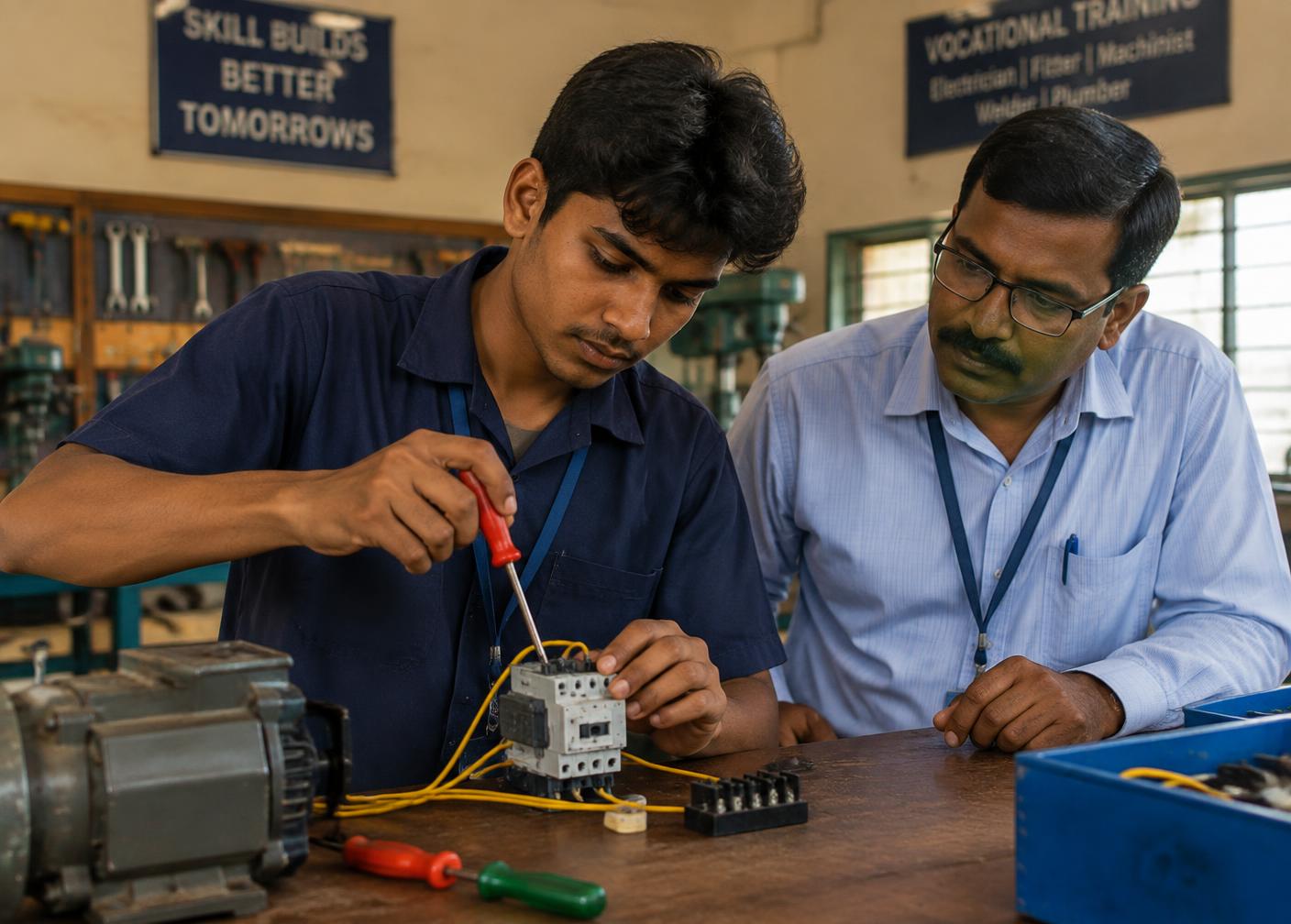
Skills for Tomorrow
A Skill Today. A Stronger Tomorrow.
The challenge
Young people across semi-urban Telangana are ready to work, yet employers report a mismatch between available skills and job requirements. Short, practical, industry-linked training can close that gap quickly.
Proposed interventions
- Industry-aligned short courses in trades, retail, logistics and services
- Workplace readiness: communication, workplace conduct, financial basics
- Apprenticeship and placement facilitation with local employers
- Post-placement follow-up for the first six months
Expected outcomes
- Course completion and certification rates
- Proportion of trainees offered employment or apprenticeships
- Six-month job retention among placed candidates
03
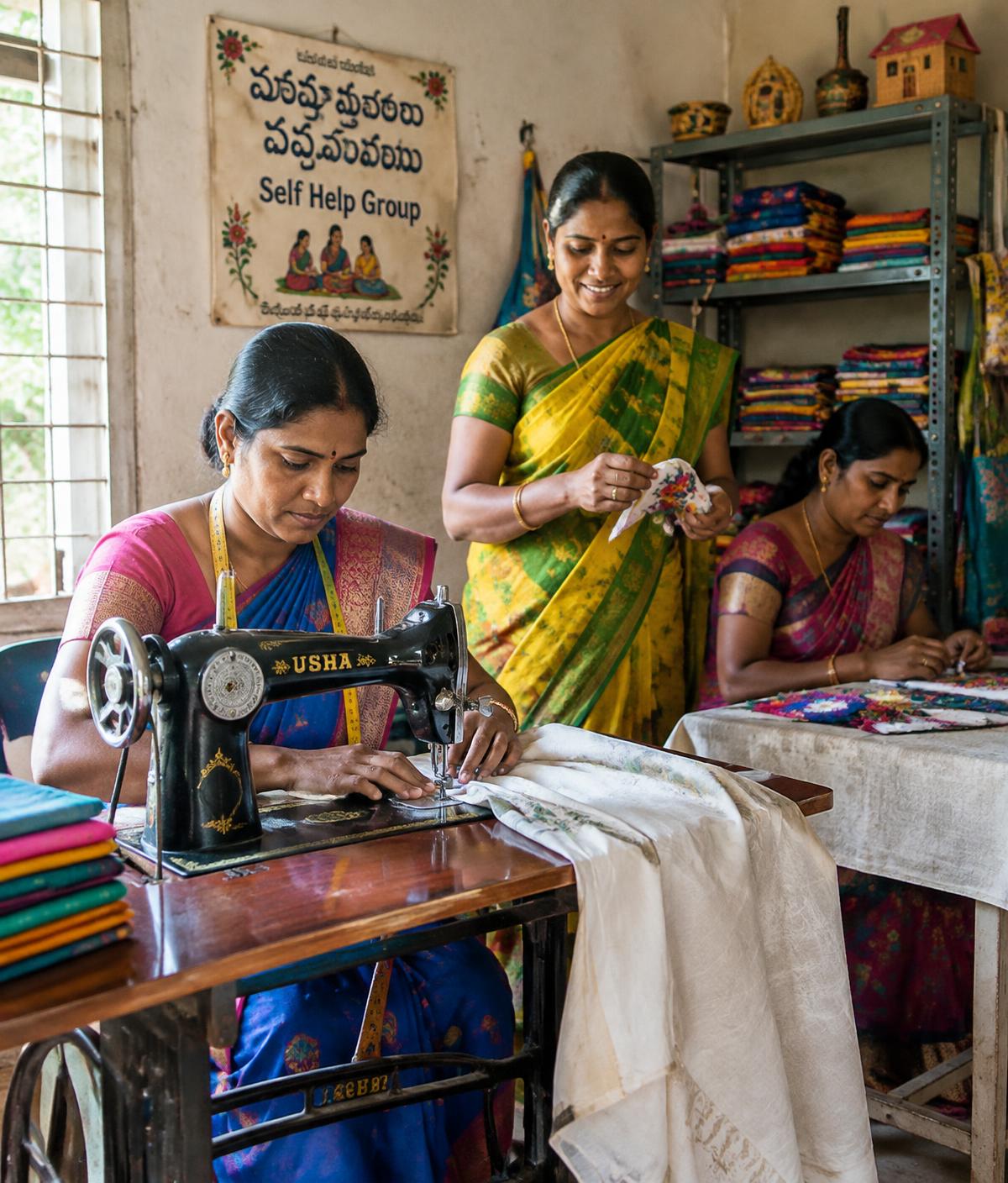
Women & Economic Empowerment
Empower One Life. Inspire a Community.
The challenge
Women in self-help groups often have the enterprise instinct but limited access to business skills, market linkages, credit literacy and confidence-building networks.
Proposed interventions
- Enterprise development and bookkeeping training
- Financial literacy, digital payments and credit readiness
- Market linkage events, product design and pricing support
- Peer leadership circles and mentoring
Expected outcomes
- Number of women operating or expanding a micro-enterprise
- Adoption of digital payments and basic record-keeping
- Self-reported confidence and decision-making scores
04
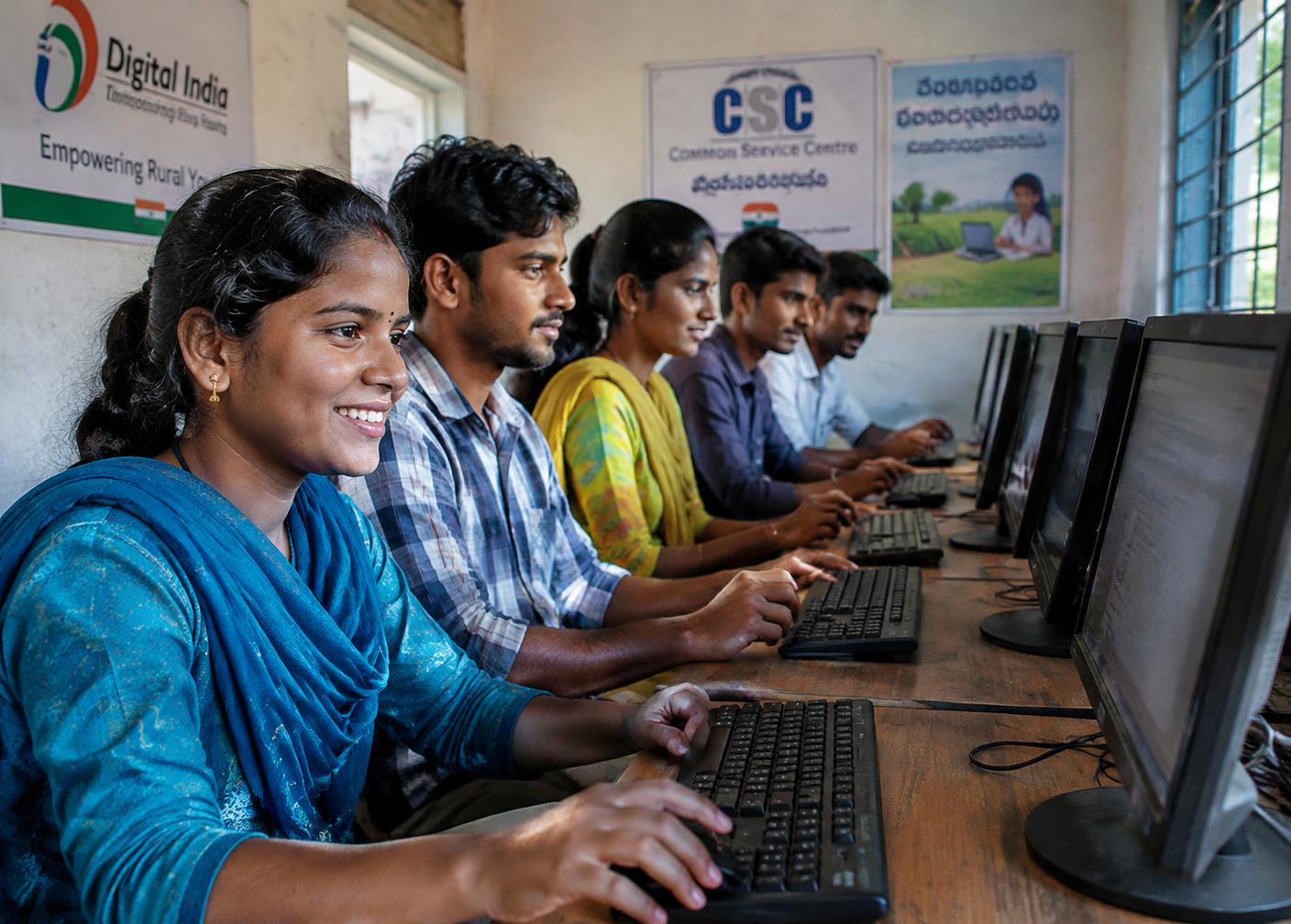
Digital Inclusion
From Potential to Possibility.
The challenge
Digital access now shapes access to jobs, public services and learning. In many rural communities, devices exist but the confidence and safe-use skills to benefit from them do not.
Proposed interventions
- Community digital learning hubs with structured curricula
- Basic computing, productivity tools and safe internet use
- Navigation of government e-services and online job portals
- Digital ambassador model for peer-to-peer learning
Expected outcomes
- Learners passing a practical digital proficiency assessment
- Households independently accessing an e-service
- Active digital ambassadors sustaining the hub
05
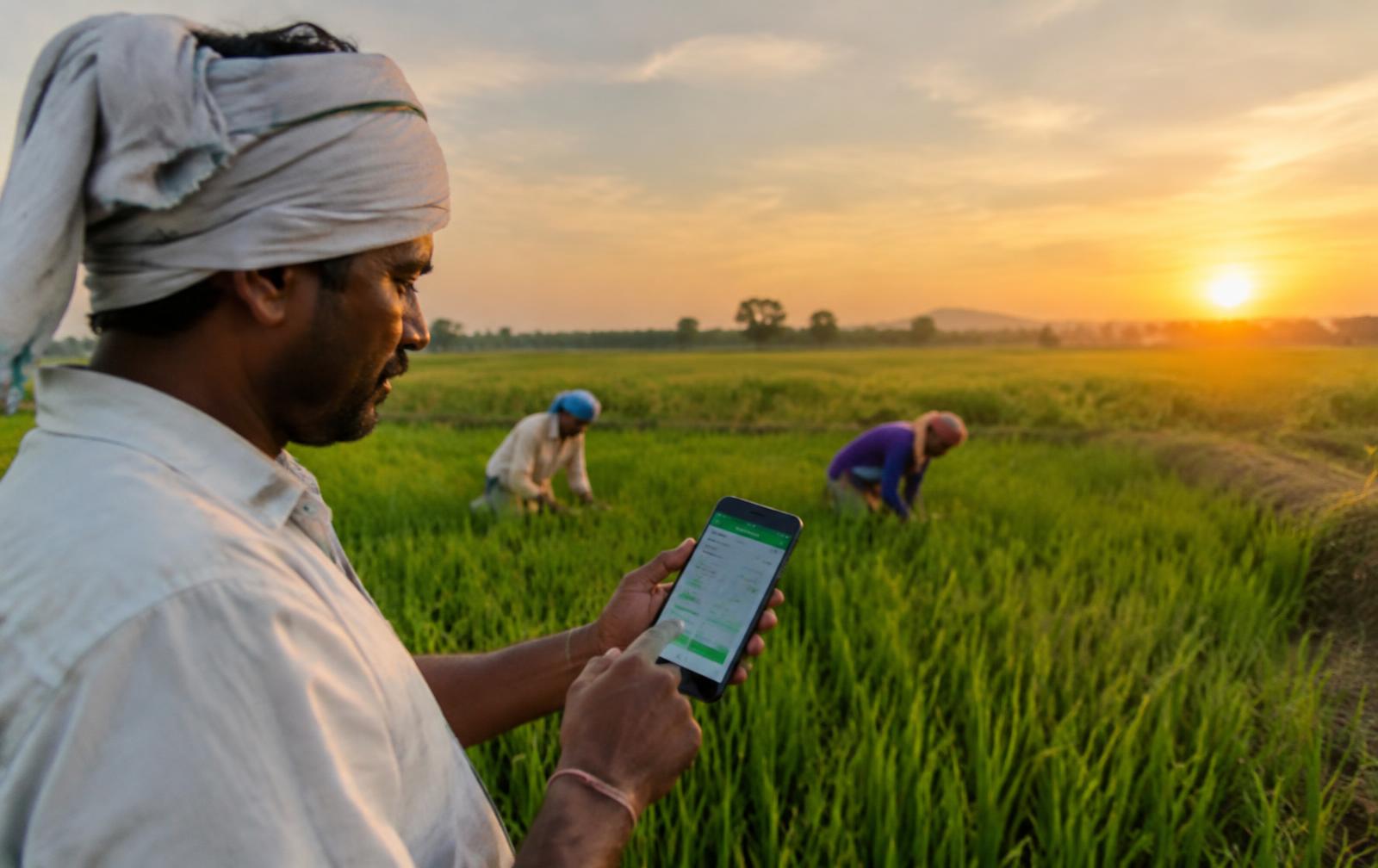
Sustainable Livelihoods
Progress Is Stronger When We Build It Together.
The challenge
Farm and non-farm households face volatile incomes. Diversification, better information and collective action can build resilience without displacing traditional livelihoods.
Proposed interventions
- Producer group facilitation and collective marketing
- Climate-smart practice demonstrations with local experts
- Allied livelihood training — dairy, horticulture, small services
- Linkage to government schemes and entitlements
Expected outcomes
- Households adopting at least one diversified income source
- Producer groups with functioning governance
- Scheme entitlements successfully accessed